Skip to content
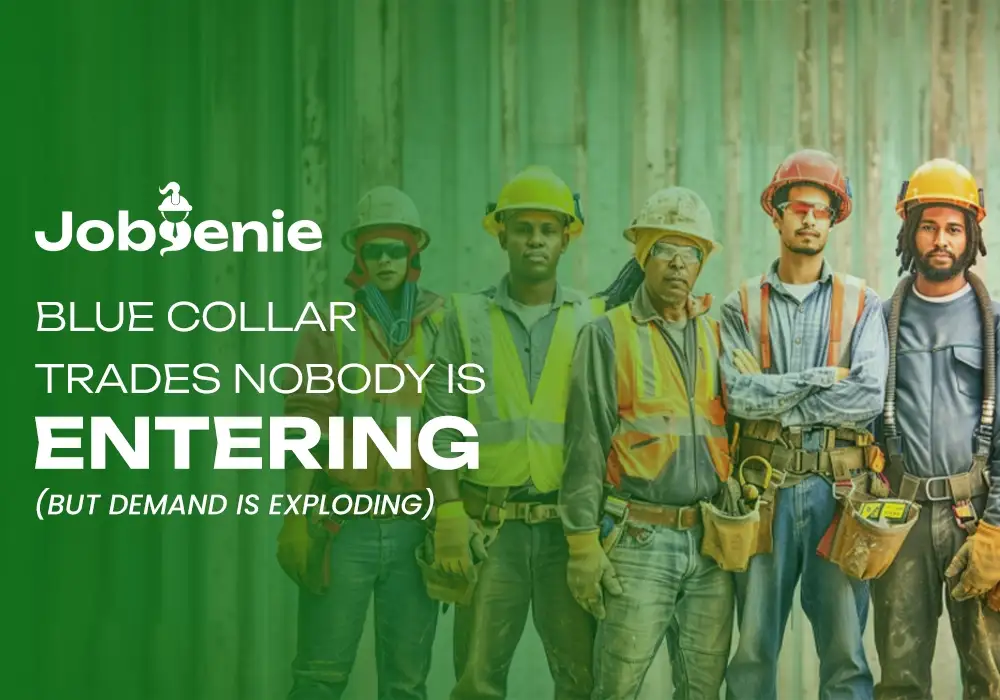
Blue collar trades are everywhere around us, but somehow, no one talks about them anymore. Everyone’s chasing degrees, office jobs, and “comfortable” careers. Meanwhile, there’s this whole side of the job market quietly growing, paying well, and struggling to find people.
The Moment You Realize Something Feels Off
You know that feeling when something small doesn’t seem right at home? Maybe a pipe starts leaking. Maybe the AC stops working in the middle of summer. Or maybe a wall needs fixing, and suddenly it’s not such a small issue anymore. You call someone, and then you wait for days. That delay? That’s the real problem. There simply aren’t enough people in manual labor occupations anymore. The demand is there. The work is there. But the people? Not so much.
Why People Are Avoiding These Jobs
Let’s be honest. Most people don’t grow up dreaming about working in trades.
There’s this idea stuck in everyone’s mind:
- It’s too hard.
- It doesn’t pay well.
- It’s not respected.
- It’s only for people who “couldn’t study.
But that idea is outdated. The reality today looks very different, but most people never stop to check.
What No One Tells You About Skilled Trade Occupations
There’s something different about working with your hands. At the end of the day, you don’t just close a laptop and wonder what you actually did. You can see it. You fixed something. Build something. Solved something real. That feeling hits differently. And the income? It’s not what people assume. Many skilled trade occupations are now paying more than entry-level office jobs. In some cases, even more than degree-based roles. That’s the part no one mentions.
The Roles People Keep Ignoring
Some jobs just don’t get attention, even when they should. Take a demolition worker. Most people think it’s just breaking things. It’s not. It requires control, timing, and awareness. One wrong move, and things can go very wrong. It’s skilled, calculated work.
Then there are:
- Electricians who literally keep homes and cities running.
- Plumbers who solve problems no one else wants to deal with.
- Welders who build structures that last for decades.
- Technicians who make sure systems don’t fail when you need them most.
These are good trade jobs. The kind that stay relevant no matter what’s happening in the economy.
What Happens If You Keep Ignoring This Path
Here’s the part most people don’t think about. While everyone is applying for the same office jobs, competition keeps increasing. Salaries stay low. Growth becomes slow. At the same time, trades are going in the opposite direction. Less competition, more demand, and better pay over time. So when you ignore this path, you’re not just skipping a job option. You’re missing a growing opportunity. And once these fields start filling up again, it won’t be this easy to enter.
Trades Work for Women Is Changing Fast
There’s another shift happening that people don’t talk about enough. More women are stepping into trades work, and they’re doing well. Not just “managing,” but actually leading, earning, and building careers.
It’s no longer unusual to see women:
- Handling electrical work.
- Running small contracting businesses.
- Working on-site with full confidence.
This change matters. It opens doors that weren’t considered before.
The Kind of Stability People Are Actually Looking For
A lot of people say they want a stable life. But stability doesn’t come from titles anymore. It comes from being needed. And trades offer that. No matter what happens, people will always need repairs, maintenance, construction, and technical work. That means your skills don’t lose value overnight. That’s a different kind of security. Not temporary. Not dependent on trends.
It’s Not Always Easy — But It’s Real
Some days are physically tiring. Some jobs take longer than expected. You don’t always work in perfect conditions. But there’s a difference. The effort leads somewhere. You’re not just waiting for opportunities. You’re creating them. And over time, that builds confidence you don’t get from just sitting behind a screen.
How Things Start Changing for You
At first, it might feel uncomfortable. You’re stepping into something unfamiliar. Maybe even something you once ignored. But slowly, things shift. You start understanding the work. You improve. You gain control. And one day, you realize you’re no longer unsure about your future. You’re building it. Even platforms like JobGenie show that demand is rising in these areas, while supply is still catching up.
The Bigger Picture Most People Miss
Look at what’s happening around you.
- New buildings.
- Repairs.
- Expansions.
- Upgrades.
All of it depends on blue collar trades. And right now, there aren’t enough people stepping in. That gap is where the opportunity is. Not loud, not flashy, but real.
So What Are You Going to Do About It?
At some point, it becomes a choice. Keep following the same path as everyone else, even when it’s overcrowded. Or step into something different. Something that actually needs you. Because right now, these roles are open. But they won’t stay open forever.
Take the Step That Actually Moves You Forward
If you’ve been feeling stuck or unsure, that’s not unusual. A lot of people are in the same place, trying to figure things out. But sometimes, the answer isn’t in doing more of the same. Blue collar trades might not look like the obvious choice, but they offer something many people are still searching for: stability, growth, and control. Take that step before the opportunity feels out of reach. Experience privacy and style like never before.
FAQs
1. Do blue collar trades pay well or not really?
It depends, but honestly, a lot of them do once you get the hang of it. You’re not rich overnight, but it builds up.
2. Can I start trade work without a degree?
Yeah, you can. Most people just learn through training or by working under someone first.
3. Is it normal for girls to go into trades now?
It’s becoming pretty normal now. You’ll still see fewer women, but the number is definitely growing.
Take the First Step
If you’re unsure about what to do next, it doesn’t hurt to look into skilled trades. Just understanding how they work can already give you a different perspective. No pressure, just explore and see if anything fits you.
Conclusion
Blue collar trades don’t get talked about much, but they are clearly becoming more important. A lot of steady work is happening in these fields, even if most people are focused elsewhere. They might not look exciting from the outside, but they are practical and still very much needed.