Skip to content
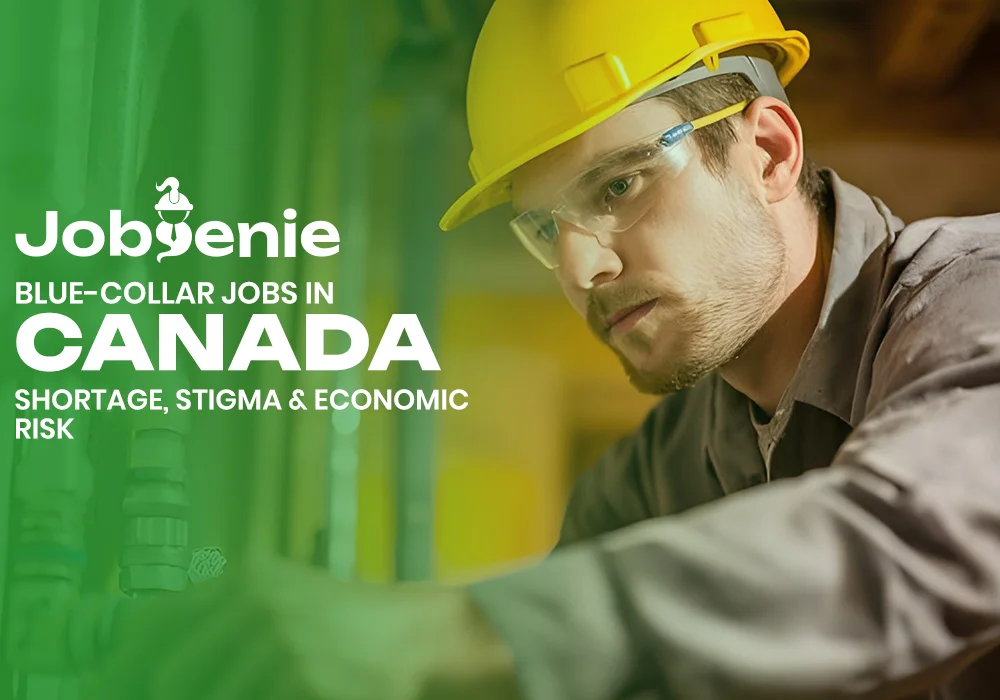
Blue collar jobs are everywhere in Canada, even if people don’t always notice them. The roads you drive on, the buildings you enter, the systems that keep things running — all depend on this workforce. But lately, something feels off. There are fewer workers, more pressure, and a growing gap that’s hard to ignore.
The Shortage Is No Longer Hidden
If you pass by a construction site today, you’ll still see movement. Machines running, workers focused. But if you stay a little longer, you’ll notice the strain. Work that should move faster feels delayed.
- Jobs for blue collar workers are increasing, but hiring is slow.
- Many skilled workers are aging out of the workforce.
- Fewer young people are entering blue collar careers.
- Blue collar employees are covering an extra workload.
- Deadlines are getting pushed again and again.
This is not something far away. It’s happening in real time, and people are starting to feel it in small ways first.
Why People Are Stepping Away From This Path
For a long time, there has been a certain image attached to success. Clean offices, fixed hours, and less physical effort. Because of that, blue collar careers slowly got pushed aside. It’s not that the work lost value. It’s that the perception changed. Students are often guided away from labor jobs and entry-level roles. Families encourage “safer” options. Over time, this creates distance between people and the blue collar industry, even when those jobs offer real stability.
What It Feels Like on the Ground
There’s a side people don’t talk about much. The everyday experience of blue collar employees. Early mornings, long hours, changing weather, constant physical effort. It’s not easy work, but it’s honest work. Still, the pressure is growing.
- Tiredness that doesn’t go away after one day.
- Feeling like the work is overlooked.
- Stress from doing more with fewer people.
- Thinking about how long the body can keep up.
Despite all this, many workers continue because they take pride in what they do. They can see the result of their effort, and that matters.
The Economy Feels It, Even If Quietly
The shortage of blue collar jobs doesn’t stay limited to one place. It spreads. When fewer people are available to build, fix, or maintain, things slow down. And when things slow down, everything else starts to shift. Housing takes longer. Repairs get delayed. Costs go up. Businesses adjust, and eventually, customers feel it too. It’s a chain reaction. And at the center of it is the blue collar industry.
What People Don’t Realize They’re Walking Away From
There’s a common idea that these jobs don’t offer much growth. But that’s not always true. In fact, many blue collar careers offer something people are actively looking for today stability.
- Steady income in high-demand roles.
- Skills that stay useful for years.
- Independence through hands-on work.
- Real career growth with experience.
Choosing to ignore these roles often means missing out on opportunities that are practical and reliable.
A Mindset That Needs to Shift
The problem isn’t just the shortage. It’s how people see the work. If blue collar jobs continue to be viewed as a last option, the gap will keep growing. But if the mindset changes, things can start to move in a different direction. It begins with small shifts. Awareness. Honest conversations. Seeing these roles for what they actually offer, not what people assume.
Work Today Is Also About Comfort and Security
People don’t just want a paycheck anymore. They want stability. They want to feel safe in what they do. The good thing is, the nature of labor jobs’ entry-level roles is also changing.
- Better safety standards at workplaces.
- Improved tools that reduce physical strain.
- More structured training systems.
- Growing focus on worker well-being.
These changes are making the experience more balanced. It’s no longer just about hard labor. It’s about sustainable work.
The Hesitation People Feel
Many people hesitate before considering blue-collar careers. Not always because they can’t do the work, but because of doubt.
- What will people think?
- Will it lead somewhere?
- Is it worth the effort?
But when you look at the reality, the answers are different.
- Demand for skilled workers is strong.
- Many roles offer competitive earnings.
- Experience opens better opportunities.
- The need for this workforce is constant.
Sometimes, the biggest barrier is just perception.
Small Changes That Can Make a Big Difference
Not knowing where to start keeps many people from exploring blue collar careers. Platforms like JobGenie, Indeed, and many more job sites make it easy to find blue collar jobs in one place. Simple access and clear options can help someone take the first right step in finding jobs with confidence.
Where Things Are Heading
The future of the blue collar industry depends on what happens now. If the shortage continues, the pressure will only increase.
- Fewer workers will slow down essential work.
- Costs will keep rising across sectors.
- The gap between demand and supply will grow.
- Industries will struggle to keep up.
But there’s another side to this. If more people step in, if the perception shifts, things can stabilize, with more workers, faster progress, and better balance.
Seeing the Value Again
At its core, this is not just about jobs. It’s about how a country functions. Blue collar jobs support daily life in ways that often go unnoticed, until something stops working. Maybe it’s time to look at them differently. Not as a backup plan, but as a real option. Something stable, something meaningful. Because once you start seeing the value, the choice becomes clearer. Take a step toward something more steady, more real, and more grounded. Experience privacy and style like never before.
FAQs
What Are Blue Collar Jobs?
Blue collar jobs are hands-on roles like construction, repair, and factory work that keep daily life running.
Why Are Blue Collar Jobs in Shortage in Canada?
Fewer young people are choosing these roles, while many older workers are retiring.
Are Blue Collar Careers Worth It?
Yes, they offer stable income, strong demand, and real skill growth over time.
Conclusion
Blue collar jobs have always been there, quietly doing the work most people depend on. Now the pressure is showing. Fewer workers, more demand, and a gap that keeps growing. The way people view blue collar careers needs to shift, because these roles still offer something real — stability, skill, and purpose.
If you’ve been unsure about your path, take a moment and look into jobs for blue collar workers. There’s more opportunity here than most people think. Try something that feels solid and dependable. Experience privacy and style like never before.